High Winds Suspected Cause of Southwest Jet ‘Dutch Roll’ Incident
Federal investigators found that high winds likely damaged the tail of a parked Southwest Airlines jet, with this damage going unnoticed through multiple flights and maintenance checks before the aircraft experienced a "Dutch roll" during a flight from Phoenix to…

 Phoenix, AZ, November 5, 2026 —
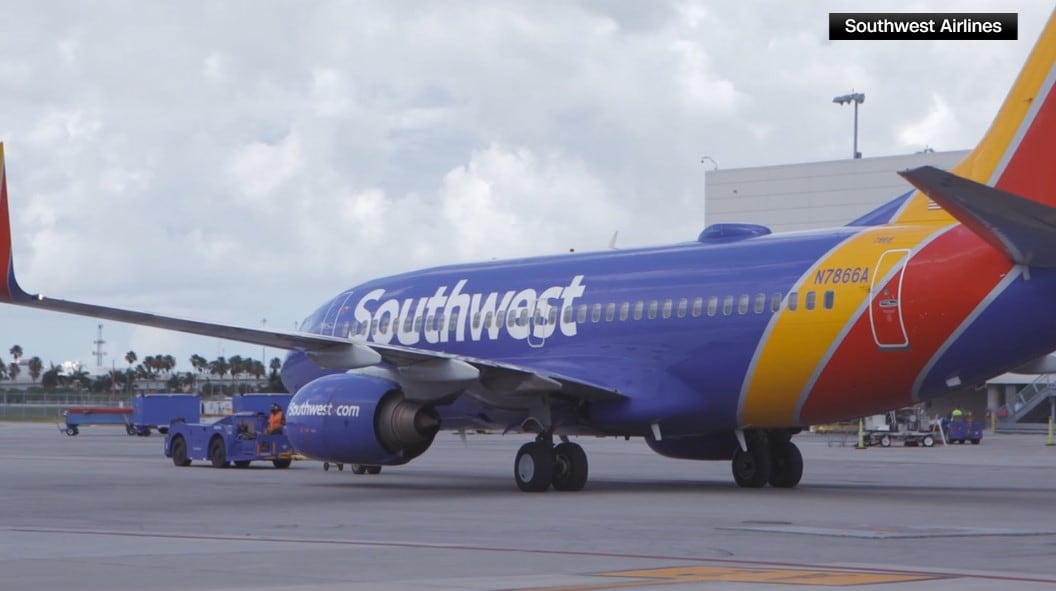
Federal investigators have identified high winds as the likely cause of damage to the tail of a parked Southwest Airlines jet, an issue that investigators believe went unnoticed through multiple subsequent flights and maintenance checks. The damage preceded a mid-air incident where the aircraft experienced a “Dutch roll” on May 25, 2024, during a flight traveling from Phoenix to Oakland.
A Dutch roll is a potentially dangerous aerodynamic phenomenon that affects aircraft, characterized by a combination of simultaneous side-to-side yawing and rolling motions.
The investigation, conducted by federal authorities, indicates that the tail damage may have occurred while the aircraft was on the ground. Despite the damage, the aircraft was reportedly cleared for multiple flights. This oversight occurred across several flight operations and routine maintenance inspections before the critical event on the Phoenix to Oakland route.
The specific aircraft involved and the exact number of flights that operated with the undetected tail damage were not detailed in the initial findings. The National Transportation Safety Board (NTSB) is understood to be leading the investigation into the incident and its contributing factors. Further details regarding the extent of the damage, the specific maintenance procedures that may have failed to detect it, and the precise nature of the Dutch roll event are expected as the investigation progresses.
Southwest Airlines has not yet released a detailed statement on the preliminary findings, but the airline typically cooperates fully with federal investigations into aviation safety matters. The focus of the inquiry remains on understanding how the tail damage occurred, how it was missed, and the sequence of events leading to the in-flight anomaly.
Story summarized from the original created by David Baker on www.azfamily.com, see more information here.
Media gallery