Caregivers Learn Strategies for Managing Tense Conversations
Experts are sharing strategies for caregivers on how to manage tense conversations, focusing on maintaining dignity, building cooperation, and de-escalating conflict by stepping away, understanding communication as behavior, choosing words and tone carefully, meeting individuals where they are, and managing…

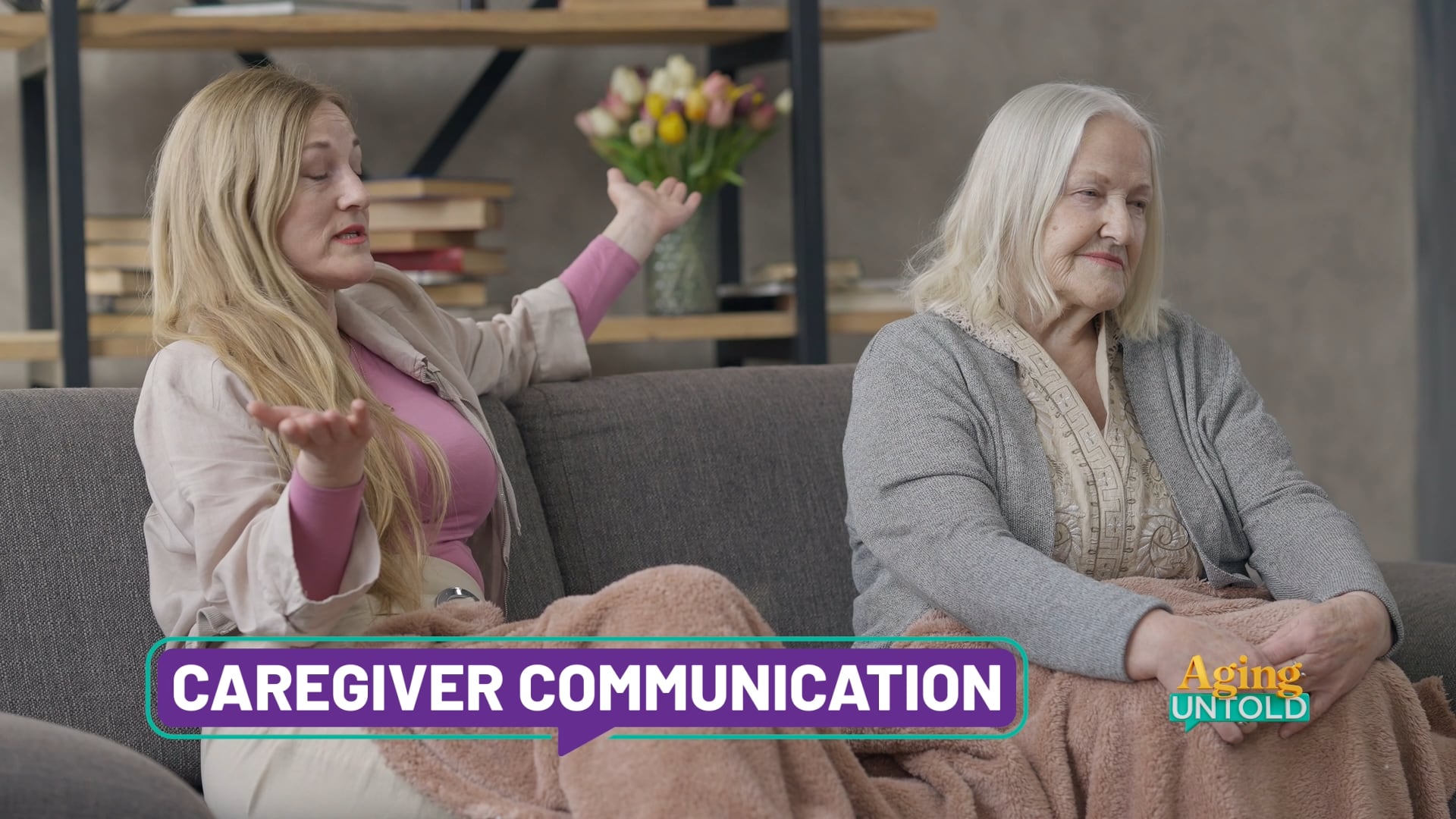
 Phoenix, AZ, October 30, 2026 —
Experts are offering guidance to caregivers on effective methods for navigating tense conversations, emphasizing techniques to preserve the dignity of all involved, foster cooperation, and reduce conflict. The advice centers on proactive and reactive strategies aimed at de-escalation.
Key approaches highlighted include the importance of knowing when to step away from a situation to allow for cooling off and reflection. This physical or mental pause can prevent escalation and provide an opportunity for a more constructive interaction later.
Another core principle is understanding communication as behavior. This perspective encourages caregivers to look beyond the words spoken and interpret the underlying needs or emotions driving the communication, thereby allowing for a more empathetic response.
Caregivers are also advised to pay close attention to their own words and tone. The choice of language and the emotional inflection used can significantly influence the atmosphere of a conversation, either exacerbating tension or promoting calm.
Furthermore, the strategies suggest the practice of meeting individuals where they are. This involves acknowledging and validating the other person’s current feelings and perspective, even if it differs from the caregiver’s own, as a foundational step toward building understanding and trust.
Finally, experts underscore the necessity of managing negative self-talk. Internal dialogue can impact external reactions, and caregivers are encouraged to cultivate a more positive and resilient mindset to better handle challenging interpersonal dynamics. These strategies collectively aim to equip caregivers with the tools to handle difficult dialogues with greater success and less distress.
Story summarized from the original created by LeAnne Gendreau, Katherine Ambrose , Sondra ‘Sam’ Cradduck , Amy Amy Cameron O’Rourke, Rhea Rogers on www.azfamily.com, see more information here.
Media gallery