Shingles Awareness Grows in Phoenix Area as Experts Explain Virus Behavior
A trending topic in Phoenix (Prescott) focuses on shingles, detailing its symptoms which can begin with intense nerve pain before a rash appears, often following specific nerve pathways. Experts use an analogy of a 'bad houseguest in the attic' to…

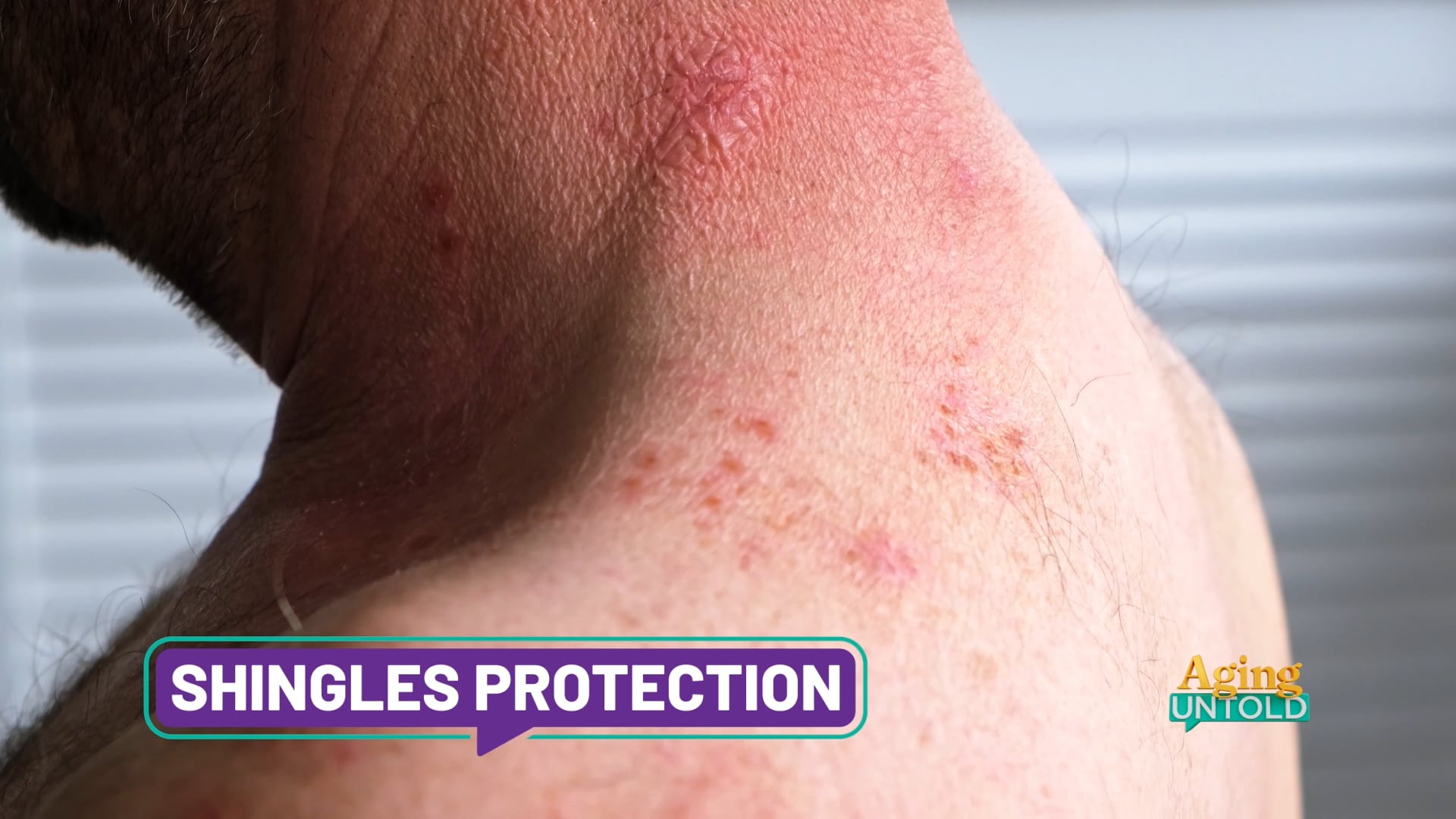
 Phoenix, AZ, October 30, 2026 — A growing awareness surrounding shingles is emerging in the Phoenix (Prescott) area, prompting a closer look at the condition’s symptoms and management. Experts are shedding light on how the virus affects the body, comparing its behavior to a “bad houseguest in the attic.”
The Centers for Disease Control and Prevention (CDC) defines shingles, also known as herpes zoster, as a viral disease characterized by a painful rash that typically appears in a single stripe on one side of the body. The condition is caused by the varicella-zoster virus, the same virus that causes chickenpox. After a person has recovered from chickenpox, the virus lies dormant in nerve tissue near the spinal cord and brain. Decades later, the virus may reactivate as shingles.
Symptoms of shingles often begin with intense nerve pain. This pain can precede the appearance of a rash by several days. The rash typically follows specific nerve pathways, a characteristic that helps medical professionals diagnose the condition. The pain associated with shingles can range from mild to severe and is often described as burning, tingling, or shooting.
To explain the virus’s persistence and reactivation, medical experts utilize an analogy. They describe the virus as a “bad houseguest in the attic” – referring to its dormant state within nerve cells, similar to a guest residing in a hidden part of a house, waiting for an opportunity to resurface. This illustrates how the virus can remain inactive for years before becoming symptomatic again.
Experts in the Phoenix (Prescott) region emphasize the importance of preventative measures and a robust immune system in managing shingles. The shingles vaccine is highlighted as a key tool for reducing the risk of developing the condition and mitigating the severity of outbreaks if they do occur.
Furthermore, maintaining a strong immune system is crucial. This is supported through fundamental health practices, including adequate sleep and good nutrition. These lifestyle factors contribute to the body’s ability to keep the dormant virus in check and respond effectively if it attempts to reactivate.
While the summary indicates a focus on shingles in Phoenix (Prescott), further details regarding specific public health initiatives, local case numbers, or broader epidemiological trends were not provided.
Story summarized from the original created by LeAnne Gendreau, Katherine Ambrose , Sondra ‘Sam’ Cradduck , Amy Amy Cameron O’Rourke, Rhea Rogers on www.azfamily.com, see more information here.
Media gallery