Animal Shelters Face Overcrowding Crisis Due to Geographic Disparities
Animal shelters across the United States are overwhelmed due to a geographic mismatch, where animals are concentrated in under-resourced areas while potential adopters exist elsewhere. Organizations like the ASPCA are implementing relocation programs, using land and air transport to move…

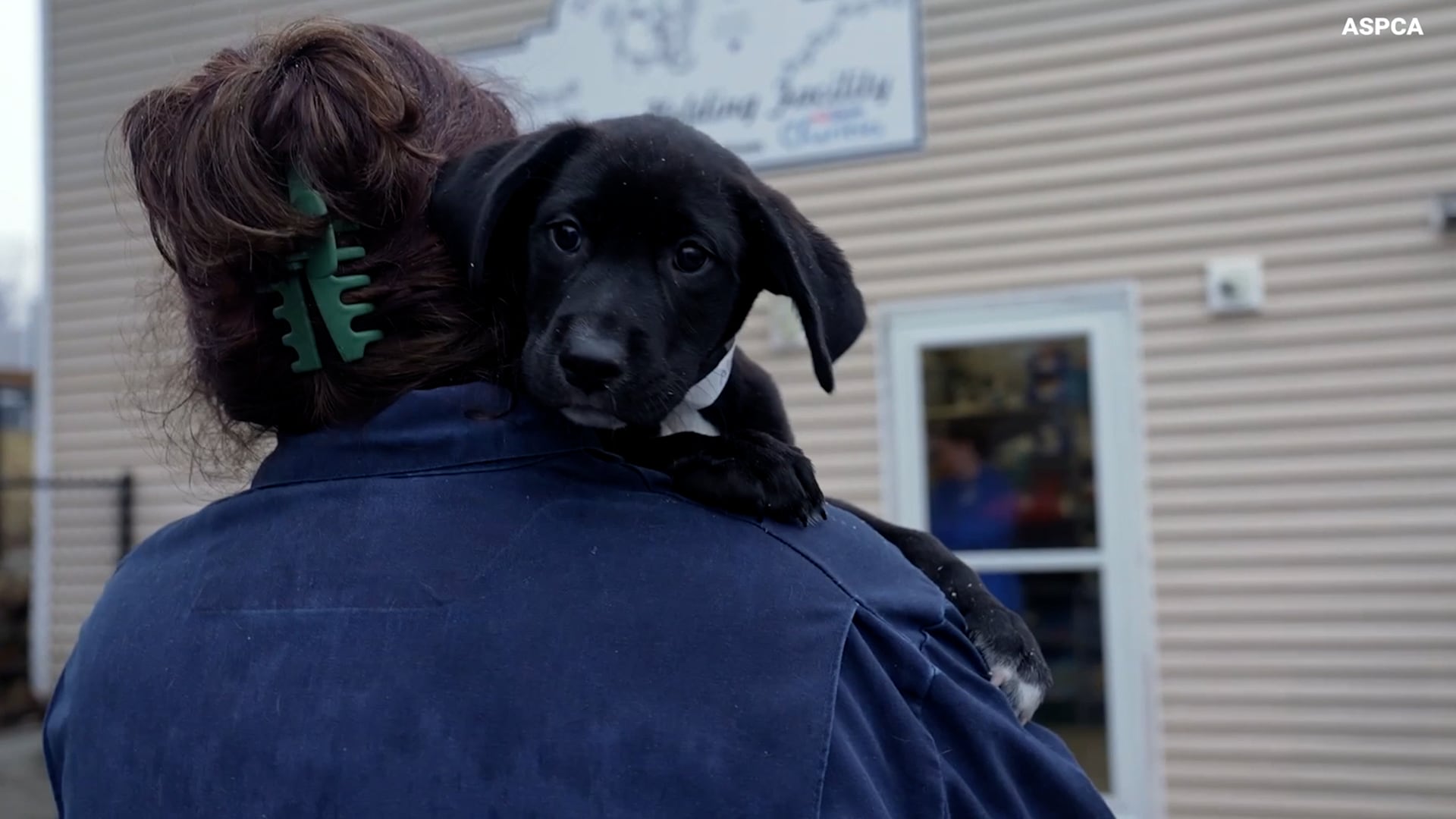
 Phoenix, AZ, October 2, 2026 — Nationwide animal shelters are grappling with significant overcrowding, a problem exacerbated by a geographic mismatch between where animals need homes and where adopters are located. This trend has led to a critical situation in many facilities, particularly in regions with fewer resources.
The core of the issue lies in the uneven distribution of animal populations and potential adopters across the United States. Certain areas, often in the South and Midwest, experience a higher intake of animals, while other regions possess a greater number of individuals seeking to adopt pets. This disparity creates a bottleneck, leaving shelters in high-intake areas overwhelmed and struggling to provide adequate care.
In response to this growing crisis, animal welfare organizations are stepping up their efforts to bridge this gap. Initiatives are being launched to relocate animals from densely populated shelter areas to regions with higher adoption rates. This strategic movement of pets is crucial for alleviating pressure on overburdened shelters and, most importantly, for increasing the chances of adoption for countless animals.
Organizations such as the ASPCA are at the forefront of these relocation efforts. They are employing various methods, including dedicated land and air transport programs, to move animals efficiently and safely. The goal is to transport animals from areas where they are at higher risk of euthanasia due to overcrowding to locations where they have a better opportunity to find permanent homes. This approach aims to save lives by ensuring that animals in need can reach populations eager to adopt them.
The success of these relocation programs is vital for addressing the national animal welfare challenge. By facilitating the movement of animals, shelters can reduce euthanasia rates and provide better care for the animals remaining in their facilities. The continuation and expansion of such programs are essential for managing the ongoing influx of animals and for finding loving families for pets across the country.
Story summarized from the original created by Kristin Crowley, Shannon Weston on www.azfamily.com, see more information here.
Media gallery