Drones Challenge Pentagon’s High-Tech Spending in Evolving Warfare Landscape
A trending topic in Phoenix explores the U.S. Pentagon's evolving cost equation in warfare, where expensive, high-tech missiles are increasingly countered by low-cost drones. Experts from Arizona State University and Embry-Riddle, along with Arizona Senator Ruben Gallego, highlight the need…

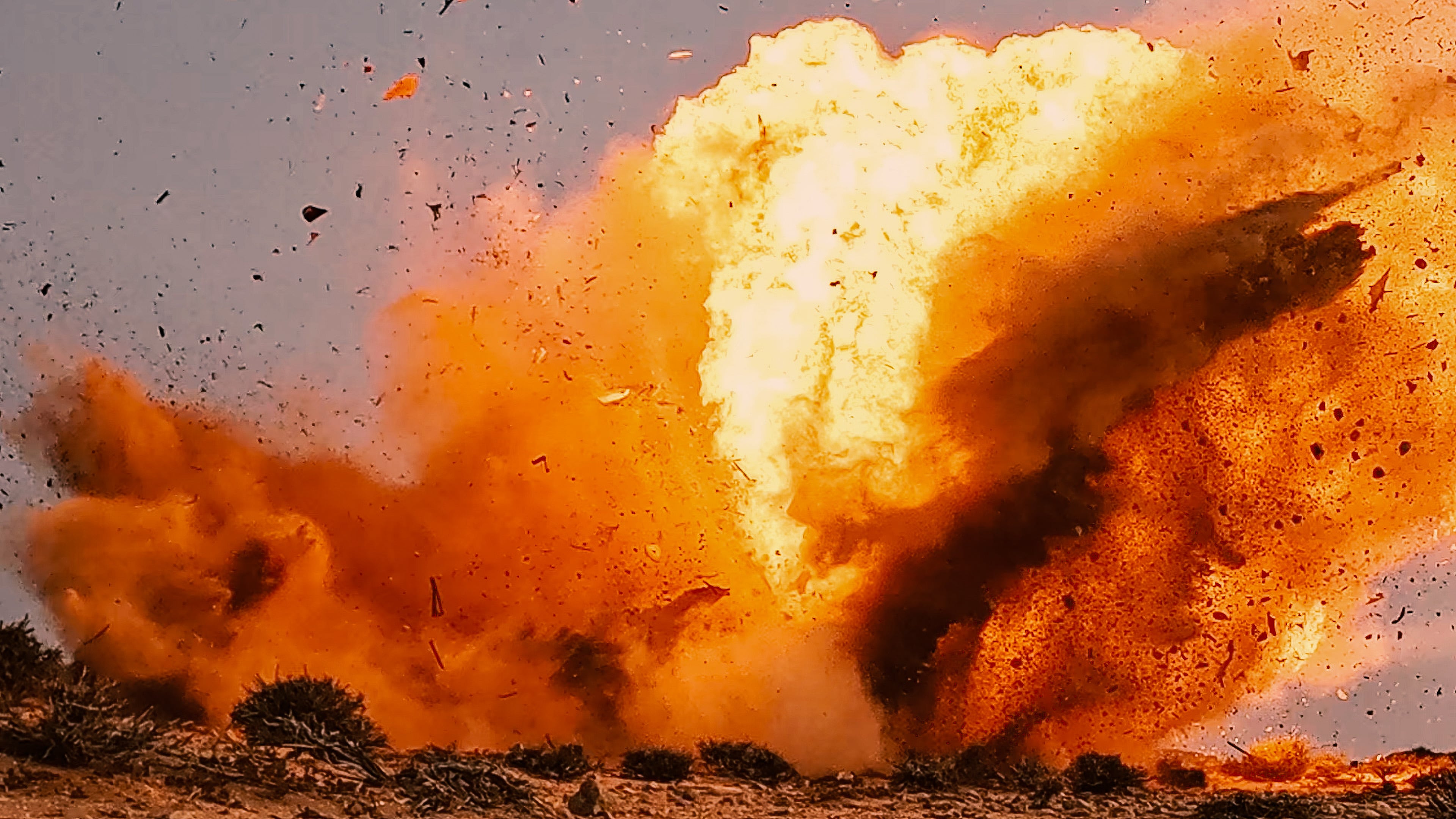
 Phoenix, AZ, October 1, 2026 — The U.S. defense establishment is confronting a significant shift in warfare economics, where the proliferation of low-cost drones presents a growing challenge to expensive, high-technology missile systems. This evolving dynamic, a trending topic of discussion, underscores the need for adaptation within the American defense industry.
Experts are pointing to a fundamental change in military strategy, often referred to as asymmetric warfare. In this context, sophisticated and costly weaponry, including advanced missiles, are finding themselves countered by cheaper, yet highly effective, drone technology. This trend necessitates a re-evaluation of defense spending priorities and technological development.
Speaking on the matter, experts affiliated with Arizona universities are weighing in on the implications. Professionals from Arizona State University and Embry-Riddle Aeronautical University have highlighted the critical need for the U.S. defense industry to adjust its approach. The current landscape suggests that traditional, high-cost defense solutions may no longer offer the same strategic advantage against increasingly accessible and innovative alternatives.
The perspective is shared by elected officials. Arizona Senator Ruben Gallego has also emphasized this emerging reality, stressing that the defense sector must evolve to meet the challenges posed by this new era of warfare. The focus is on developing strategies and technologies that can effectively address threats from less expensive platforms without compromising national security.
The core issue revolves around cost-effectiveness and technological parity. While the U.S. military has historically relied on technological superiority backed by substantial investment, the widespread availability of advanced drone technology—often produced at a fraction of the cost of traditional precision-guided munitions—is altering the strategic calculus. This shift demands a re-examination of how defense resources are allocated and how future conflicts might be waged, pushing for innovation that is both technologically advanced and economically viable.
Story summarized from the original created by Morgan Loew on www.azfamily.com, see more information here.
Media gallery