
California’s Regional Center System Celebrates 60th Anniversary
SACRAMENTO, CA, UNITED STATES, November 3, 2026 /EINPresswire.com/ -- The Association of Regional Centers (ARCA) is

Press Release Disclaimer: This is a press release distributed through the XPR Media network. It has not been independently verified by our newsroom.
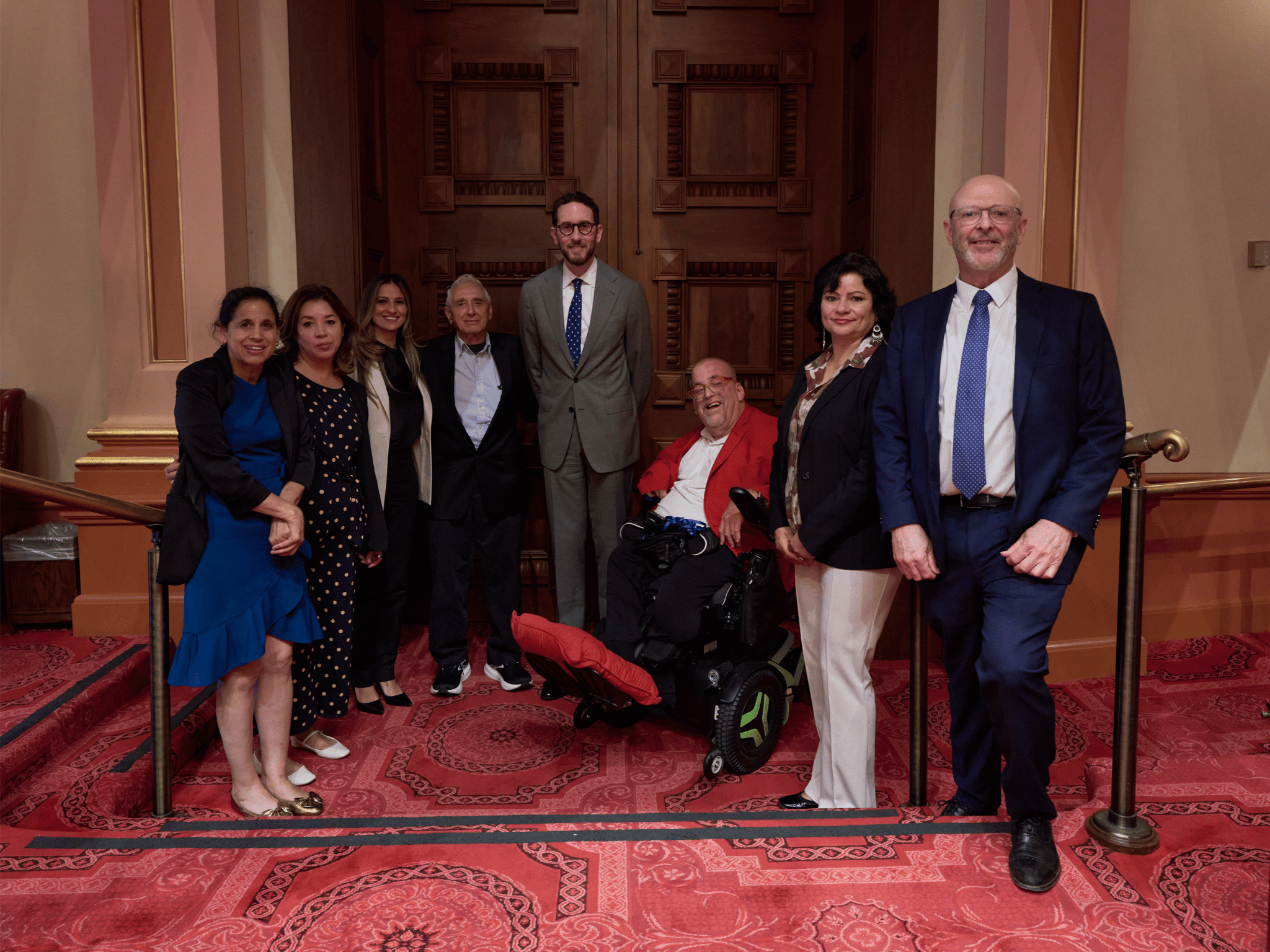

SACRAMENTO, CA, UNITED STATES, November 3, 2026 /EINPresswire.com/ — The Association of Regional Centers (ARCA) is proud to celebrate the 60th anniversary of California’s first pilot regional center agencies, the Frank D. Lanterman Regional Center (FDLRC), originally established at Children’s Hospital Los Angeles, and the Golden Gate Regional Center (GGRC), established at The Arc San Francisco. This significant milestone reflects six decades of dedicated community-based support and advocacy for individuals with intellectual and developmental disabilities (I/DD).
Piloted in 1966, with a modest initial budget of $966,386, serving just 559 people, these two centers set the stage for the groundbreaking 1969 Lanterman Developmental Disabilities Services Act. Today, the state’s current Regional Center System serves nearly 500,000 Californians with 21 regional centers throughout the state.
To recognize 60 years and to honor this extraordinary legacy, there have been a variety of engaging activities and celebrations throughout the year, including:
ARCA’s sponsored Senate Concurrent Resolution (SCR) 174.
The unveiling of the 60th Anniversary booklet “Renewing the Commitment… Embracing the Future: A Community for All,” created by FDLRC.
FDLRC held a celebration on October 20 which welcomed representatives from ARCA, Department of Developmental Services (DDS), and Lanterman families, also marked the grand re-opening of Lanterman’s second physical office location in Glendale. This dual celebration highlighted both the physical and systemic growth the organization has achieved over the past six decades and honored three leaders with Lifetime Achievement Awards for their profound impact on the Lanterman Regional Center community.
On October 23, GGRC held celebratory festivities themed, “From Pilot to Promise: Honoring the Past, Strengthening the Present, Shaping the Future” with 150 community members. The Community heard remarks from speakers ranging from families and individuals served at GGRC, to local and statewide leaders deeply involved in supporting individuals in the GGRC area today.
The two regional center events united self-advocates, families, and community partners to showcase the strength of a statewide network that now supports over 500,000 individuals with I/DD, demonstrating the transformative impact of community and advocacy.
“As we see continued growth of the regional center system over the last 60 years, we remain committed to more than half a million individuals we serve who rely on supports and services offered through California’s 21 regional centers,” said Amy Westling, Executive Director of ARCA. “The activities honoring 60 years of service are a testament to the success and value of the Lanterman Act and a reflection of the effectiveness of a critical system that meets the unique needs of individuals to ensure they can live their most fulfilling lives in their communities.”
More on California’s Regional Center System
California’s 21 regional centers are community-based non-profits funded with state and federal dollars. For nearly 500,000 Californians with developmental disabilities, or about one percent of the state’s population, their regional center is not merely the official point of entry. Their center is where service starts. Services for these individuals are coordinated by the regional center, making them the key link between individuals with developmental disabilities, their families, and the services they need.
Three years after AB 691 was enacted, The Lanterman Act (est. 1969) defined the rights of individuals with developmental disabilities and established a service system to meet the needs of individuals and their families throughout California. Unique in the U.S., service access starts upon eligibility, based only on an eligible diagnosis that significantly impacts the person. Many states have waitlists, with times ranging from two years (WA) to 6 years (TX) to 13 years (OK). The system continues to improve and expand individually responsive service options to help people lead full, integrated lives of their choosing. The primary role of regional centers is to identify, coordinate, and monitor a set of services uniquely matched to each person’s needs, goals, and culture that provide quality outcomes to all people served.
About ARCA
The Association of Regional Center Agencies (ARCA) represents California’s network of 21 community-based, non-profit regional centers.
Jenny Dudikoff
on behalf of ARCA
jdudikoff@ka-pow.com
Legal Disclaimer:
EIN Presswire provides this news content “as is” without warranty of any kind. We do not accept any responsibility or liability
for the accuracy, content, images, videos, licenses, completeness, legality, or reliability of the information contained in this
article. If you have any complaints or copyright issues related to this article, kindly contact the author above.

Media gallery


