US Faces Shortage of Aging-Ready Homes Amidst Growing Senior Population
The United States is experiencing a growing aging population, leading to an increased demand for "aging-ready" homes that feature first-floor bedrooms, bathrooms, and step-free entryways. However, the current housing stock is insufficient to meet this demand, creating challenges for older…

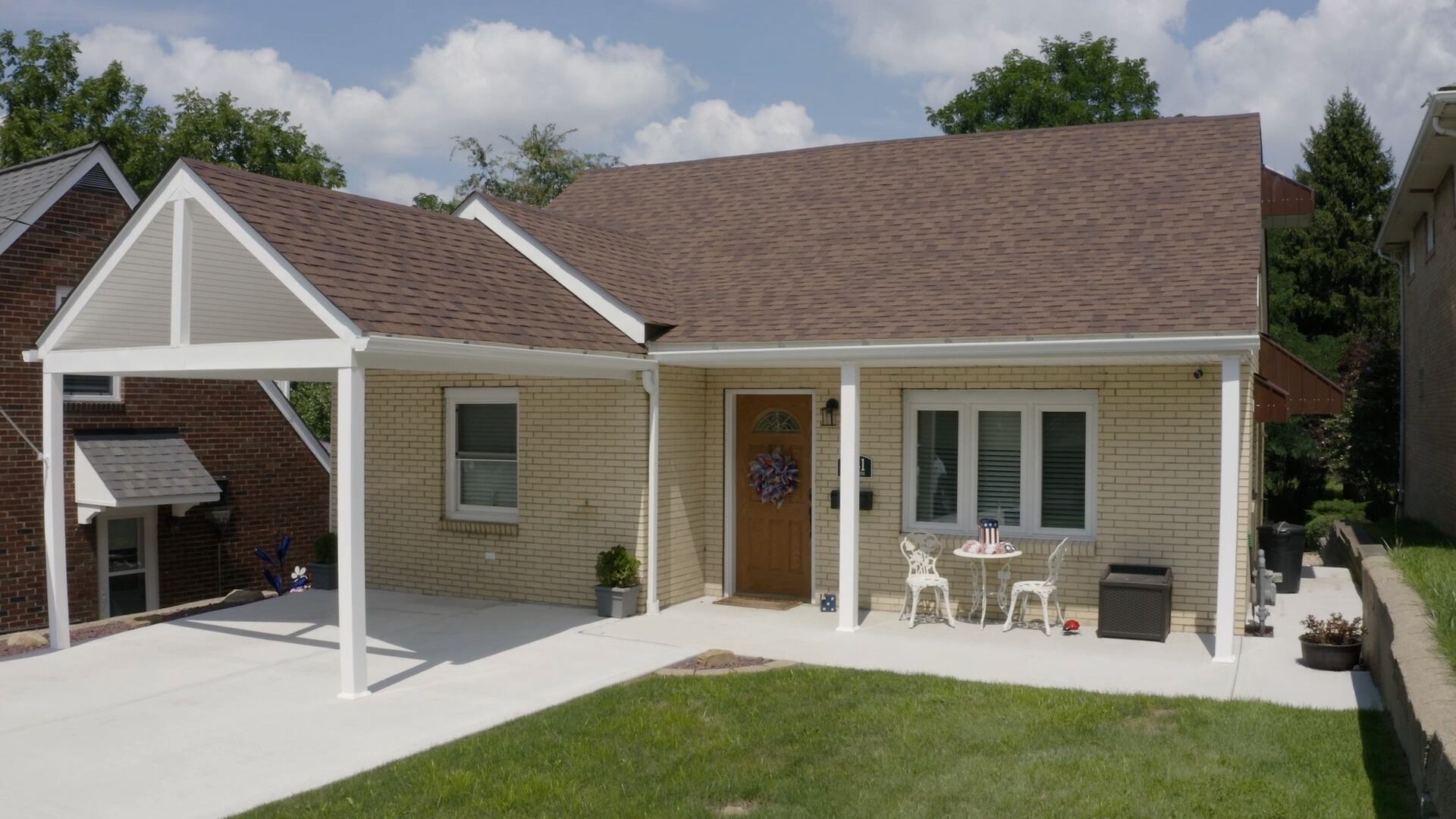
 Phoenix, AZ, November 6, 2026 — The United States is navigating a significant demographic shift with its aging population, a trend that is concurrently driving a heightened demand for housing specifically designed to accommodate the needs of older adults. Homes that are “aging-ready” typically incorporate features such as first-floor bedrooms and bathrooms, as well as step-free entryways, aiming to provide greater accessibility and safety for residents as they age.
Despite this growing need, the nation’s current housing stock appears insufficient to meet the escalating demand for such accessible living spaces. This mismatch between supply and need is presenting considerable challenges for older adults and their families who are actively seeking suitable and adaptable housing arrangements across the country.
The implications of this shortage extend to individuals looking to age in place, as well as those who may require a more accessible environment due to mobility or health-related factors. The lack of readily available aging-ready homes can impact an individual’s independence, quality of life, and the ability of families to provide care.
Experts and advocates in housing and elder care have pointed to the need for increased development and retrofitting of homes to meet these evolving demographic requirements. The focus on first-floor living and simplified access addresses common concerns about navigating multi-story homes and the potential hazards associated with stairs for an aging populace.
As the demographic landscape continues to change, the disparity between the availability of aging-ready housing and the demand from a growing senior population is becoming an increasingly prominent issue, affecting communities nationwide and highlighting the necessity for adaptive housing solutions.
Story summarized from the original created by Natalie Faunce, InvestigateTV staff on www.azfamily.com, see more information here.
Media gallery